


Winter months often limit sunlight exposure which directly affects the body’s ability to produce vitamin D naturally. This seasonal drop silently increases the risk of vitamin D deficiency leading to bone pain muscle weakness joint stiffness low immunity and a higher chance of fractures. Orthopaedic specialists warn that during sun-deprived winters diet becomes a key factor in protecting bone and joint health.
Orthopaedic experts explain that vitamin D plays a vital role in calcium absorption bone mineralisation muscle function and immunity. When sunlight-driven vitamin D synthesis reduces in winter food-based sources help compensate and maintain healthy levels.
Doctors frequently see patients reporting knee pain back pain fatigue and muscle cramps during colder months. In many cases these symptoms are linked to low vitamin D levels rather than injury or arthritis. A carefully planned winter diet can significantly reduce these risks.
Fatty fish for bone strength
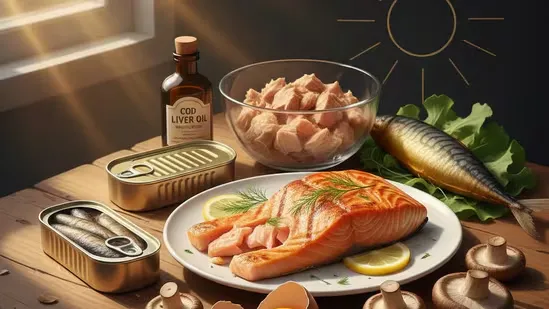
Fatty fish such as salmon sardines mackerel and tuna are among the richest natural sources of vitamin D. Including them two to three times a week can help improve bone density support muscle strength and maintain joint flexibility. Vitamin D from fish is easily absorbed and especially beneficial for ageing adults and people with early joint degeneration.
Egg yolks for daily nutrition support
Egg yolks are a simple and effective way to add vitamin D to winter meals. They also provide healthy fats that help vitamin absorption. Regular but moderate consumption supports musculoskeletal health immunity and overall energy levels without major dietary changes.
Fortified foods for indoor lifestyles
Fortified milk yoghurt breakfast cereals and plant-based milk alternatives are valuable options especially for vegetarians office workers students and elderly individuals who spend most of their time indoors. These foods help maintain vitamin D intake when sun exposure is minimal.
Sun-dried and UV-exposed mushrooms
Certain mushrooms naturally produce vitamin D when exposed to sunlight or ultraviolet light. Sun-dried mushrooms can be added to soups curries and stir-fries making them one of the few plant-based natural vitamin D sources ideal for people avoiding animal products.
Cod liver oil and selected dairy products
Cod liver oil is one of the most concentrated dietary sources of vitamin D. While cheese and butter provide smaller amounts they can still support daily intake when consumed in moderation. Doctors advise that individuals with confirmed deficiency may still require medical supplementation after testing.
Experts emphasise that persistent bone pain muscle weakness fatigue frequent infections or joint discomfort during winter should not be ignored. Early testing dietary correction and guided supplementation can prevent long-term bone and joint complications. Winter should be approached as a preventive season focusing on nutrition awareness and medical guidance rather than waiting for symptoms to worsen.