


Stress and anxiety are common challenges in modern life but simple breathing exercises can help calm the body and mind. According to experts intentional breathing practices can quickly reduce tension improve concentration and help people regain emotional balance during stressful moments.
Palak Dengla, Chief Physiotherapist at Aster RV Hospital, explains that controlled breathing is one of the most powerful tools to manage stress naturally. Although breathing happens automatically focusing on it consciously can activate relaxation responses in the body.
Slow breathing helps lower the stress hormone cortisol which is often elevated during periods of anxiety or pressure. When cortisol levels remain high for long periods it may contribute to inflammation and several health issues including Hypertension, Type 2 Diabetes, sleep problems digestive issues fatigue and chronic pain.
Experts say mindful breathing can help break this harmful stress cycle. By slowing down the breathing rhythm the body shifts from a stress driven response to a calm restorative state. This process activates the parasympathetic nervous system which helps reduce anxiety improve blood circulation and support recovery.
Five Breathing Techniques That Help Calm the Mind
1. Diaphragmatic Breathing
Also known as belly breathing this method involves inhaling slowly through the nose while allowing the abdomen to expand. It encourages proper diaphragm movement which can lower heart rate blood pressure and promote deep relaxation.
2. Box Breathing
This technique involves inhaling holding the breath exhaling and holding again for four seconds each. Box breathing is commonly used during high pressure situations because it stabilises the nervous system and improves mental focus.
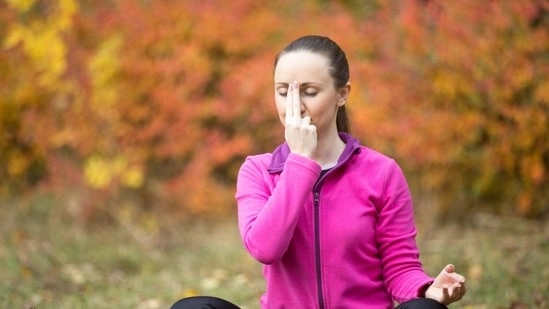
3. Alternate Nostril Breathing
This breathing exercise involves inhaling through one nostril and exhaling through the other before switching sides. It is believed to balance brain activity and promote emotional stability.
4. 4 7 8 Breathing Method
In this technique you inhale for four seconds hold the breath for seven seconds and exhale slowly for eight seconds. It stimulates the vagus nerve which can reduce anxiety and encourage deeper relaxation.
5. Humming Breathing
Inspired by Bhramari breathing this method involves inhaling normally and then exhaling with a gentle humming sound. It can improve sinus ventilation and support a calming response in the nervous system.
Best Time to Practice Breathing Exercises
Regular breathing practice can significantly improve mental clarity memory focus and productivity. Experts recommend performing these exercises for five minutes after waking up and another five minutes before going to sleep. Even practising for two or three minutes during stressful moments such as exams meetings or deadlines can help restore calmness.
Health professionals note that consistent breathwork training can strengthen the body’s ability to handle stress and improve overall wellbeing over time.