


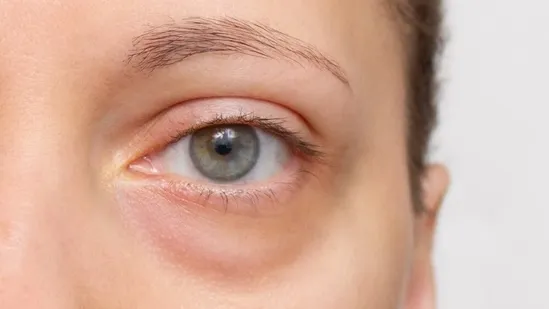
Swollen and puffy eyes are more than just a cosmetic concern—they can indicate deeper health or lifestyle issues. According to Dr. Chiranjiv Chhabra, Founder and Chief Dermatologist at Alive Wellness Clinics, puffiness under the eyes often occurs due to fluid buildup in the delicate undereye tissues, a condition known as periorbital edema. This can result from poor lymphatic drainage, allergies, high salt intake, or even aging.
Why do puffy eyes happen?
The undereye area is sensitive and easily affected by lifestyle and diet. Excess salt consumption is a common factor that increases water retention, sometimes linked with hypertension, which can make puffiness worse. Allergies and poor lymphatic circulation are also key triggers. As people age, muscles and ligaments around the eyes weaken, allowing fat pads to bulge outward, giving the eyes a swollen, tired look.
Quick remedies to reduce swollen eyes
If you wake up with puffy eyes, simple home remedies can provide fast relief. Cold compresses or chilled eye masks help by constricting blood vessels and reducing swelling. These short-term fixes work well for temporary puffiness.
For persistent puffiness, dermatologists recommend using targeted eye creams enriched with caffeine, peptides, or hyaluronic acid. These ingredients improve circulation, reduce water retention, and strengthen the skin barrier for long-term results.
How to treat dark under-eye circles
Puffiness is often accompanied by dark circles, another common concern. Dermatologists suggest ingredients like Vitamin C, kojic acid, and tranexamic acid to reduce pigmentation and oxidative stress. Pairing these treatments with daily application of a broad-spectrum sunscreen around the eyes helps prevent UV damage, which worsens dark circles.
If creams and serums don’t improve the condition, advanced treatments like under-eye mesotherapy, PRP therapy, gentle laser treatments, or dermal fillers may be recommended by specialists.
Key takeaway
While puffy eyes may result from lifestyle habits, diet, or aging, they can often be managed with simple remedies or targeted skincare. However, persistent swelling or dark circles should always be evaluated by a dermatologist to rule out underlying health concerns and to explore advanced treatment options.