


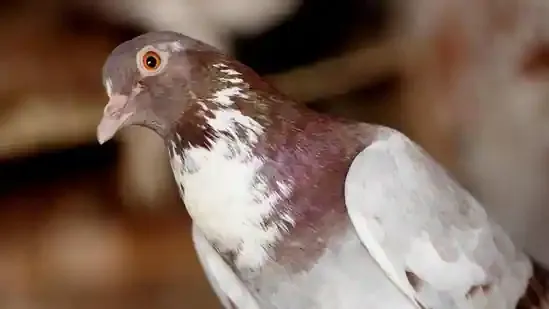
Many people in India and other cities enjoy feeding pigeons in parks and public areas, but health experts are cautioning that this seemingly harmless habit can pose serious risks to respiratory health. Pigeon droppings, when dried, can turn into fine dust that is easily inhaled and may cause conditions like lung fibrosis and hypersensitivity pneumonitis.
Pulmonologists including Dr Manav Manchanda and Dr Hemant Kalra have highlighted that prolonged exposure to pigeon droppings and feathers can trigger lung inflammation, chronic fatigue, cough, shortness of breath, fever, and even severe lung damage over time. Dr Manchanda explains, “Many people mistake early warning signs such as persistent cough, chest pain, or tiredness for common asthma or allergies, overlooking the actual danger.”
In addition to lung fibrosis, pigeon droppings may carry harmful fungi such as histoplasmosis and cryptococcosis, which can particularly affect people with weak immune systems. Early symptoms often include dry cough, difficulty breathing, and extreme fatigue, signaling the onset of bird fancier’s lung.
To reduce the risk, experts recommend several precautions:
- Wear masks and gloves when cleaning pigeon droppings.
- Wet droppings before cleaning to prevent dust from becoming airborne.
- Keep windows closed or install fine-mesh screens to prevent pigeons from nesting indoors.
- Block potential roosting areas with spikes or netting.
- Seek medical attention promptly if you experience persistent respiratory symptoms.
By following these safety measures, individuals can enjoy urban spaces while minimizing the dangers associated with pigeon exposure.