


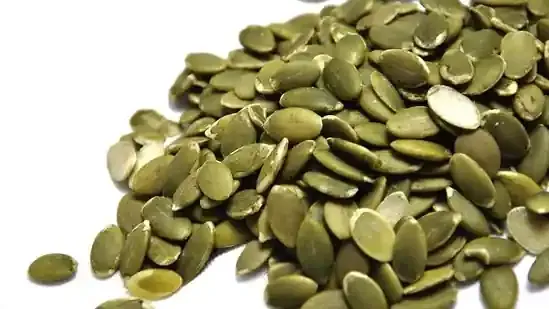
Pumpkin seeds also known as pepitas have become a popular superfood snack thanks to their impressive nutrient profile and versatility. Crunchy flavorful and easy to add to meals these tiny green seeds support heart health immunity digestion and even better sleep. But one common question remains should you eat pumpkin seeds raw or roasted for maximum health benefits?
According to nutrition experts pumpkin seeds are packed with healthy fats dietary fiber antioxidants and essential minerals like magnesium potassium zinc and phosphorus. A 100-gram serving delivers a powerful nutritional boost making them a smart addition to everyday diets. Whether sprinkled over salads blended into smoothies or enjoyed as a snack pumpkin seeds offer multiple health advantages.
Raw pumpkin seeds are often considered the purist option. Because they are not exposed to heat they retain more heat-sensitive nutrients especially vitamin E and certain antioxidants. They also contain no added oil salt or preservatives making them ideal for clean eating. However food safety is important as improperly handled raw seeds may carry bacteria so freshness and proper storage are essential.
Roasted pumpkin seeds on the other hand are loved for their rich flavor and satisfying crunch. Roasting can enhance taste and improve digestibility especially for people sensitive to raw foods. Research also suggests that roasting at controlled temperatures may increase antioxidant activity including flavonoids. The key is to roast them lightly and avoid excessive oil or salt to keep them healthy.
Both raw and roasted pumpkin seeds can fit into a balanced diet when eaten in moderation. Nutritionists generally recommend a daily portion of around 28 grams which is roughly a small handful. They are calorie dense so portion control matters especially for weight management. People with seed allergies or digestive sensitivity should consume them cautiously.
Ultimately the healthiest option depends on your taste preferences digestive comfort and nutrition goals. Raw seeds deliver maximum nutrient retention while roasted seeds offer enhanced flavor and easier digestion. Choosing unsalted lightly roasted seeds or high-quality raw seeds ensures you get the best of both worlds.