


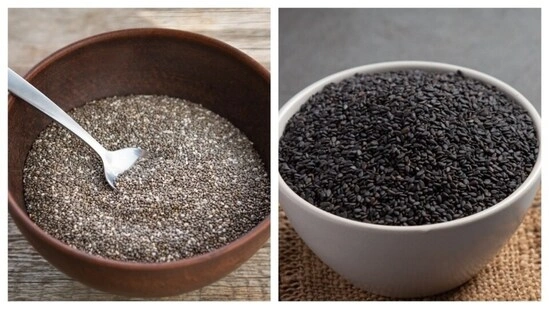
Seeds are known for being rich in nutrients, but not all seeds deliver the same health benefits. Sabja seeds (also known as basil seeds) and chia seeds are often mistaken for each other due to their similar appearance, yet they serve different purposes in a balanced diet. Understanding how they differ can help you choose the right one based on your health and fitness goals.
According to diet experts, sabja and chia seeds vary in multiple ways including appearance, usage, nutritional value, and preparation methods. While both are beneficial, each has unique properties that make them suitable for specific needs.
Starting with their appearance, sabja seeds are completely black in color, whereas chia seeds have a grey tone with a mix of black and white specks. This is one of the easiest ways to tell them apart.
Another important difference is their seasonal suitability. Sabja seeds are known for their cooling effect on the body, making them especially beneficial during hot weather to help reduce issues like acidity and bloating. Chia seeds, on the other hand, are considered neutral and can be consumed throughout the year without any seasonal restrictions.
When it comes to preparation, sabja seeds absorb water very quickly and swell within 5 to 10 minutes. Chia seeds require more time, often needing at least 30 minutes or even overnight soaking to reach their gel-like consistency.
Nutritionally, both seeds offer impressive benefits but in different areas. Sabja seeds are commonly associated with improving digestion and relieving issues like constipation and acidity. Chia seeds are richer in fibre and omega-3 fatty acids, making them a better choice for weight management, heart health, and improving skin quality.
Their usage in daily meals also differs. Sabja seeds are typically added to refreshing drinks such as lemon water, coconut water, or traditional beverages. Chia seeds are more versatile and can be included in smoothies, oatmeal, puddings, and breakfast bowls.
Choosing between sabja and chia seeds ultimately depends on your dietary goals. If you are looking for digestive relief and cooling properties, sabja seeds are ideal. For overall nutrition, higher fibre intake, and weight management, chia seeds may be the better option.