


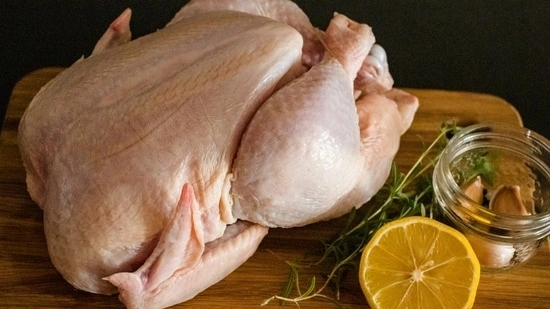
The question of whether to wash raw chicken before cooking has long divided home cooks, especially across different cultures. While many households consider washing poultry an essential step, global food safety authorities like the World Health Organization and the USDA Food Safety and Inspection Service advise against it due to the risk of spreading harmful bacteria.
A food safety officer based in Qatar, Ahana Nazar Hafis, has addressed this ongoing debate by offering a balanced and practical perspective. According to her, washing chicken is generally unnecessary and can increase the risk of cross-contamination if done incorrectly. The main concern is that rinsing poultry under running water can cause microscopic droplets to splash onto nearby surfaces, utensils, and even other foods, potentially spreading bacteria around the kitchen.
However, she acknowledges that in certain situations — particularly when chicken from local markets contains visible dirt, blood, feathers, or debris — some level of cleaning may be needed. In such cases, she recommends avoiding direct washing under a tap. Instead, the safer approach is to place the chicken in a bowl of still water and gently clean it while wearing gloves. This method helps reduce splashing and limits the spread of contaminants.
She emphasizes that any cleaning process should be done carefully to avoid water droplets dispersing in the surrounding area, as these can travel up to a meter and contaminate surfaces. After handling raw chicken, it is crucial to thoroughly wash hands, sanitize the sink, clean utensils, and disinfect any nearby surfaces.
Importantly, washing chicken does not eliminate bacteria. The only effective way to ensure it is safe to eat is by cooking it thoroughly at a temperature above 75°C. Proper cooking kills harmful microorganisms and makes the meat safe for consumption.
Her advice highlights that food safety is not about blindly following habits, but about understanding risks and applying the correct methods when necessary. By adapting practices based on the situation, home cooks can maintain both hygiene and safety in the kitchen.