


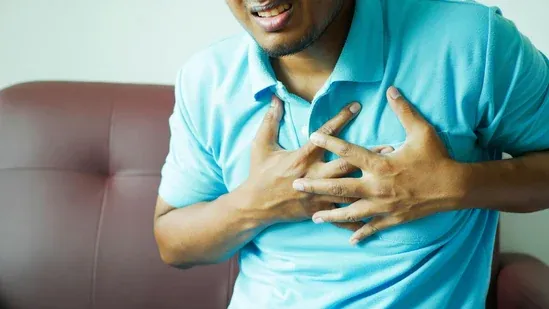
Silent heart attacks are a growing concern because they often strike without obvious warning signs. Unlike the typical dramatic image of a heart attack with severe chest pain and sudden collapse, these hidden episodes can quietly damage the heart. On September 23, Dr Vass, a Cornell-trained longevity doctor, explained in an Instagram video why silent heart attacks, also known as silent myocardial infarctions, should never be underestimated.
According to Dr Vass, people with conditions like type 2 diabetes, high blood pressure, sleep apnea, and excess visceral fat are more vulnerable to this condition. Silent heart attacks are frightening because they leave behind scar tissue just like a major heart attack. That scar tissue can later lead to heart failure, irregular heart rhythms, or even sudden cardiac arrest. Since many cases go untreated, the long-term risks are even higher.
A 2020 study highlighted the seriousness of silent heart attacks, showing that individuals who experience them face up to three times the risk of dying from heart disease within the next decade. This makes prevention and early detection critical.
Symptoms of Silent Heart Attack You Should Not Ignore
Dr Vass pointed out that these attacks are called “silent” because the signs are subtle and easy to miss. The four major symptoms to watch out for include:
- Unusual or extreme fatigue
- Shortness of breath with even light activity
- Nausea or lightheadedness
- Discomfort in the jaw, upper neck, or back
Prevention and Protective Measures
People over 40, especially those with comorbidities or family history of heart disease, should be particularly cautious. Dr Vass advised routine health checks such as resting ECG, coronary calcium score, echocardiogram, high-sensitivity CRP, APO lipoprotein, and homocysteine tests. These can help detect risks that basic lab tests might miss.
In terms of lifestyle, prevention is key. A Mediterranean diet rich in olive oil, leafy greens, and omega-3s is highly recommended. He also stressed the importance of Zone 2 cardio exercises such as brisk walking or cycling for at least 150 minutes per week, maintaining 7–8 hours of sleep, and practicing stress management techniques.
Finally, he reminded that if symptoms like shortness of breath appear, one should not dismiss them as minor. Seeking medical advice promptly can save lives.