


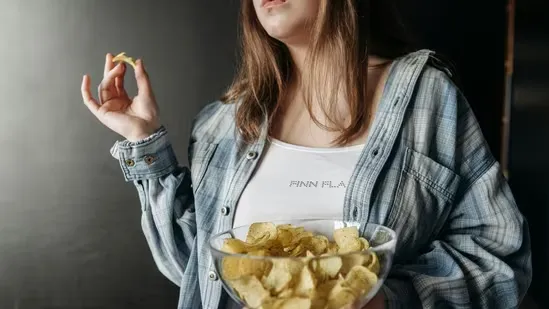
If you often find yourself reaching for snacks even when you are not truly hungry, the habit may be driven by stress, boredom, or routine rather than physical need. Mindless snacking is a common pattern that can slowly affect digestion, energy levels, and weight by keeping the body in a constant state of digestion without proper breaks. The encouraging news is that with a few intentional changes, this cycle can be broken.
Raj Ganpath, a fitness coach with nearly two decades of experience and the founder of the Slow Burn Method, recently shared practical strategies to help people regain control over their snacking habits. Drawing from years of coaching experience, he explains that awareness and environment play a major role in how often and why we snack.
The first step, according to Raj, is removing temptation from your immediate surroundings. Keeping junk food at home increases the chances of stress-driven or emotional eating, especially during low-energy moments. Even strong willpower can fade when unhealthy food is easily accessible, making convenience a powerful trigger.
Another effective technique is learning to pause and question the urge to snack. By asking yourself whether you actually need the food or simply want it, you shift from automatic behaviour to conscious decision-making. This small pause can help distinguish real hunger from eating out of boredom or habit, turning mindless snacking into mindful eating.
Raj also emphasises the importance of observing personal snacking patterns. Understanding when and why you tend to snack allows you to replace the habit with healthier alternatives. Late-night snacking may improve by sleeping earlier, while evening cravings can be redirected toward activities like walking or light movement. Planning nutritious snack options ahead of time also reduces reliance on unhealthy choices.
Ultimately, these habits are within individual control. By managing your environment, questioning impulses, and recognising patterns, it becomes easier to develop a healthier relationship with food and break free from unnecessary snacking cycles.