


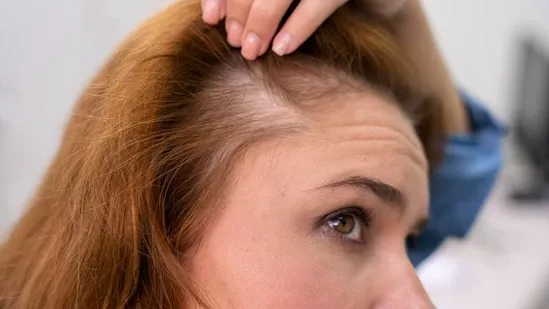
Sudden hair thinning or excessive hair fall may be a warning sign of deeper health concerns rather than just a natural shift in the hair cycle. Though occasional shedding is normal as part of the hair growth process, significant or abrupt hair loss could indicate an underlying medical condition such as alopecia. This condition, which impacts millions of individuals globally, can arise at any age and may be influenced by genetics, lifestyle choices, or chronic health problems.
Dr Amrutha Hosalli Karjol, consultant and chief dermatologist at Vrudhii Skin Center and Surgery Clinic in Bengaluru, emphasizes that persistent or unexpected hair fall should not be ignored. “Normal hair shedding is part of a healthy cycle, but sudden hair loss can signal the need for professional diagnosis and treatment. Early intervention is important to prevent permanent damage to hair follicles,” she advises.
Dr Karjol outlines three major health conditions that are commonly linked with alopecia and sudden hair loss:
1. Hormonal Imbalances and Endocrine Problems
Disruptions in hormone levels due to conditions like Polycystic Ovary Syndrome (PCOS) or thyroid disorders can severely affect hair health. These changes can lead to the weakening of hair follicles, especially in women, and result in gradual thinning at the scalp or a widening hair part. Hormonal hair loss often requires a combination of medical treatment and lifestyle management.
2. Autoimmune and Scalp Inflammatory Disorders
Autoimmune diseases such as alopecia areata or lupus cause the body’s immune system to mistakenly target healthy hair follicles. This typically results in patchy bald spots on the scalp or facial areas. Additionally, scalp inflammation caused by conditions like seborrheic dermatitis or psoriasis can increase hair loss by damaging the scalp environment.
3. Illness Recovery and Nutritional Shortfalls
After a major illness or infection—including post-COVID recovery—many people experience a temporary condition known as telogen effluvium. This shifts large amounts of hair into the shedding phase. Furthermore, a lack of essential nutrients such as protein, iron, and vitamin D can lead to hair strands becoming brittle and prone to falling out. Correcting these deficiencies can help restore hair volume and strength.
Understanding the cause of sudden hair fall is essential for effective treatment. While hair loss can be distressing, medical consultation and timely care can help identify the root cause and begin the process of recovery. Always consult a qualified healthcare professional for a proper diagnosis and treatment plan tailored to your condition.