


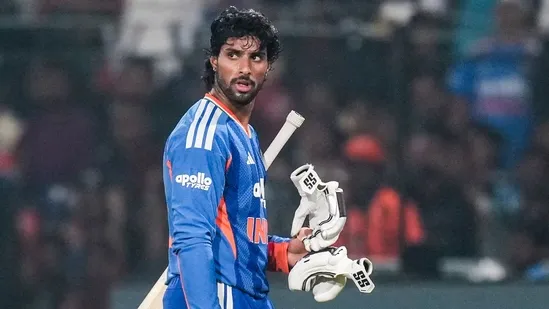
India’s batting order has become a major talking point following the defeat in the second T20I against South Africa, particularly after the decision to promote Axar Patel to number three. Addressing the debate, Tilak Varma reinforced the team’s philosophy of adaptability, stressing that modern T20 cricket demands flexibility rather than fixed positions.
Speaking ahead of the third T20I in Dharamshala on December 14, Tilak made it clear that he is comfortable batting anywhere in the middle order depending on the match situation. He explained that apart from openers, every batter in the squad is expected to be ready to move up or down the order as required. His comments echoed head coach Gautam Gambhir’s stance that roles should remain fluid to suit conditions and opposition.
The scrutiny around the batting order intensified after Axar Patel’s promotion did not deliver immediate results in the second match. However, Tilak defended the decision, pointing out that Axar has successfully played similar roles in high-pressure tournaments before, including the World Cup. According to Tilak, the team management takes calls based on what they believe will work best on a given day, rather than sticking to rigid templates.
Tilak also underlined the importance of mindset over position, stating that strong fundamentals and mental toughness allow players to perform regardless of where they bat. With the series currently level at 1-1, India sees the ongoing contest as both a chance to win matches and an opportunity to test combinations ahead of the upcoming T20 World Cup. Fans can expect further experimentation as the team fine-tunes its approach for the global stage.