


A leading American dentist with more than four decades of clinical experience has sparked discussion online after sharing a list of everyday items he believes can quietly damage children’s teeth. Dr Mark Burhenne a San Francisco–based dentist posted his advice on Instagram explaining that many well-meaning habits can increase the risk of cavities if parents are not careful.
Dr Burhenne acknowledged that his guidance may sound strict but stressed that prevention is far easier and less painful than treating dental problems later in life. His recommendations focus on reducing prolonged sugar exposure improving oral habits and protecting developing teeth.
Here are the five things he says parents should avoid giving their children
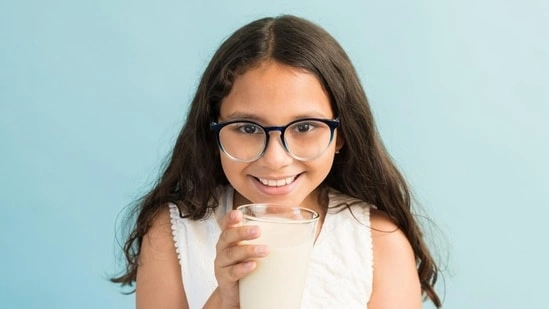
The bedtime milk habit
While a warm glass of milk before sleep feels comforting Dr Burhenne warned that it leaves natural sugars coating teeth for hours overnight. This creates the perfect environment for bacteria to thrive. He advises offering milk with meals instead and ensuring that after brushing and flossing only plain water is consumed before bed.
Sippy cups
Although convenient sippy cups can keep liquids in constant contact with teeth and may interfere with healthy swallowing patterns. Dr Burhenne recommends transitioning children to open cups earlier to support oral development and reduce prolonged exposure to sugary or acidic drinks.
Flavoured water and fruit juices
Dr Burhenne cautioned that flavoured waters and juices are often marketed as healthy alternatives but typically contain acids and sugars that repeatedly attack tooth enamel. His advice is straightforward plain water remains the safest and best option for children’s teeth.
Dried fruit snacks
Despite their healthy reputation dried fruits were described as a major cavity risk. Their sticky texture allows sugars to cling to the grooves and crevices of teeth for long periods. Fresh fruit he explained is a much safer choice as it does not adhere to teeth in the same way.
Processed crackers
Popular children’s snacks such as flavoured crackers were also discouraged. According to the dentist refined carbohydrates quickly break down into a paste that settles into molars and feeds bacteria. He suggests alternatives like apples crunchy vegetables or cheese which are less likely to stick to teeth.
Dr Burhenne summed up his advice by saying that while these rules may seem overly cautious the long-term benefits of fewer cavities and healthier smiles make the effort worthwhile.