


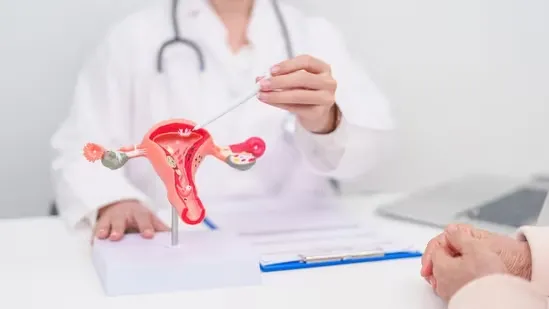
Your monthly cycle is more than just a biological routine—it can serve as a window into your fertility and overall reproductive health. According to Dr Irfana Shahul Hameed, obstetrician and gynaecologist at Plush, paying attention to your period patterns can help identify potential health concerns early and improve your chances of conceiving.
Irregular Menstrual Cycles
One of the biggest indicators of reproductive health is the regularity of your cycle. If your periods are irregular, it may suggest that ovulation is not occurring consistently. Ovulation is the process of releasing an egg ready for fertilization, and without it, conception becomes impossible. While some women with irregular cycles may still ovulate occasionally, unpredictable cycles can make it difficult to track fertile windows, often signaling the need for medical consultation.
Menstrual Flow and Fertility Health
The amount of menstrual flow also provides important clues. Lighter-than-usual periods may sometimes indicate hormonal imbalances such as hyperthyroidism or elevated prolactin levels. They can also signal the beginning of perimenopause—a phase where cycles may shorten, lighten, or even become heavier at times. While reduced flow is not always problematic, women actively trying to conceive should pay close attention and seek medical advice if needed.
Severe Period Pain and Endometriosis
Excessive pain during menstruation, also called dysmenorrhea, can be a warning sign of endometriosis. This condition occurs when tissue similar to the uterine lining grows outside the uterus, often forming cysts on the ovaries. Endometriotic cysts can trigger inflammation, severe pain, and can disrupt fertility by affecting the fallopian tubes and the environment where fertilization takes place.
Why Monitoring Period Health Matters
Recognizing changes in your cycle—whether it’s irregularity, unusual flow, or painful cramps—can provide vital insights into fertility and reproductive wellness. Consulting a gynaecologist early can help identify underlying conditions and open pathways for timely treatment and improved reproductive outcomes.
Note: This content is intended for educational purposes and should not replace professional medical advice. Always consult your doctor for diagnosis and treatment.