


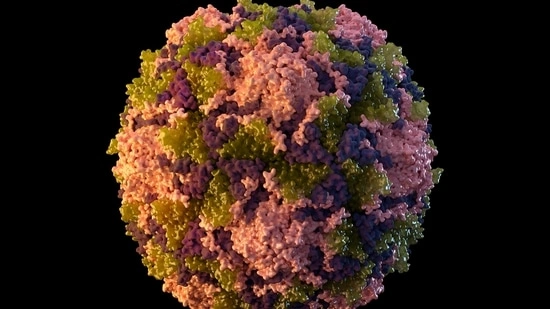
Global health authorities are closely monitoring a rare hantavirus outbreak linked to a cruise ship after several passengers developed severe respiratory illness. The incident has raised concerns due to the possibility of human-to-human transmission, something considered extremely uncommon for this virus family.
According to reports shared with the World Health Organization, multiple passengers and crew members aboard a cruise vessel experienced serious health complications. Among the reported cases, two infections were officially confirmed as hantavirus, while additional suspected cases included several fatalities, one critically ill patient, and others with mild symptoms.
Hantaviruses are a group of viruses commonly transmitted through contact with infected rodents such as rats and mice. People usually become infected by inhaling particles contaminated with rodent urine, saliva, or droppings. In rare situations, bites or scratches from infected rodents may also spread the virus.
Health experts are now investigating the unusual possibility that transmission may have occurred between humans onboard the ship. Officials believe some infected passengers may have contracted the virus before boarding, possibly during outdoor activities such as birdwatching, before the illness spread further during the voyage.
The disease can lead to serious medical conditions including Hantavirus Pulmonary Syndrome and hemorrhagic fever with renal syndrome, both of which can become life-threatening. Medical authorities warn that nearly 38 percent of patients who develop severe respiratory complications may not survive.
Early symptoms often resemble common viral infections and can appear anywhere from one to eight weeks after exposure. Initial warning signs include fever, fatigue, muscle pain, headaches, dizziness, chills, nausea, vomiting, diarrhea, and abdominal discomfort.
As the illness progresses, patients may experience severe breathing difficulties, low blood pressure, internal bleeding, kidney complications, and shock. Some cases also involve blurred vision, facial redness, or inflammation around the eyes.
In response to the outbreak, strict safety measures including isolation procedures and monitoring have reportedly been implemented onboard the cruise ship. Health officials continue to emphasize that direct contact with rodents remains the primary risk factor for infection.
To reduce the risk of hantavirus exposure, experts recommend sealing gaps in homes and buildings to prevent rodent entry, maintaining proper hygiene, and avoiding direct contact with rodent waste or contaminated areas.
Medical professionals stress that anyone experiencing symptoms after possible exposure should seek immediate healthcare attention, especially if respiratory issues begin to develop.