Site icon Stay Ahead with Gulf Updates

Why Bajre Ka Halwa Is a Wise Winter Dessert for Healthy Weight Control

Why Bajre Ka Halwa Is a Wise Winter Dessert for Healthy Weight Control Bajre ka halwa is gaining attention as a nourishing winter dessert that blends tradition with mindful eating. Prepared using pearl millet, this comforting sweet offers a wholesome alternative to refined flour and sugar-heavy desserts that are commonly consumed during colder months. Its warming nature and grain-based composition make it especially suitable for winter diets focused on balance and moderation. Pearl millet, locally known as bajra, has long been valued in Indian food culture for its ability to provide lasting energy and warmth. Traditionally used in slow-cooked meals, this ancient grain was relied upon to sustain the body during harsh winters. When transformed into halwa, bajra retains its nutritional strengths while delivering a satisfying dessert experience. One of the key benefits of bajre ka halwa is its high fibre content. Fibre supports digestion and promotes a feeling of fullness, which can help reduce unnecessary snacking. The complex carbohydrates in bajra break down slowly, ensuring steady energy release and preventing sudden hunger that often follows sugary treats. From a weight management perspective, bajre ka halwa works well because smaller portions are enough to feel satisfied. The dense texture of the grain combined with controlled use of ghee and natural sweeteners like jaggery helps keep calorie intake in check. This makes it easier to enjoy a dessert without overindulging. Seasonal eating practices often emphasize warming and grounding foods during winter, and bajre ka halwa fits naturally into this approach. It offers comfort, nourishment, and taste in equal measure, making it a thoughtful dessert choice for families looking to maintain healthier routines without giving up traditional flavors. Meta Description Bajre ka halwa is a fibre-rich winter dessert made from pearl millet that supports digestion satiety and weight management while offering warmth and traditional flavor. SEO Keywords bajre ka halwa winter dessert pearl millet halwa weight management dessert healthy Indian sweets bajra benefits winter food fibre rich dessert weight conscious eating traditional Indian halwa millet based dessert low sugar halwa healthy winter recipe bajra

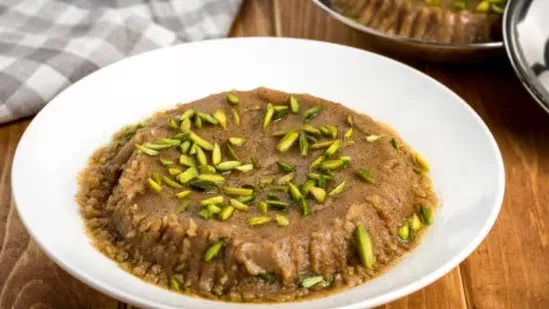
Bajre ka halwa is gaining attention as a nourishing winter dessert that blends tradition with mindful eating. Prepared using pearl millet, this comforting sweet offers a wholesome alternative to refined flour and sugar-heavy desserts that are commonly consumed during colder months. Its warming nature and grain-based composition make it especially suitable for winter diets focused on balance and moderation.

Pearl millet, locally known as bajra, has long been valued in Indian food culture for its ability to provide lasting energy and warmth. Traditionally used in slow-cooked meals, this ancient grain was relied upon to sustain the body during harsh winters. When transformed into halwa, bajra retains its nutritional strengths while delivering a satisfying dessert experience.

One of the key benefits of bajre ka halwa is its high fibre content. Fibre supports digestion and promotes a feeling of fullness, which can help reduce unnecessary snacking. The complex carbohydrates in bajra break down slowly, ensuring steady energy release and preventing sudden hunger that often follows sugary treats.

From a weight management perspective, bajre ka halwa works well because smaller portions are enough to feel satisfied. The dense texture of the grain combined with controlled use of ghee and natural sweeteners like jaggery helps keep calorie intake in check. This makes it easier to enjoy a dessert without overindulging.

Seasonal eating practices often emphasize warming and grounding foods during winter, and bajre ka halwa fits naturally into this approach. It offers comfort, nourishment, and taste in equal measure, making it a thoughtful dessert choice for families looking to maintain healthier routines without giving up traditional flavors.

Exit mobile version