


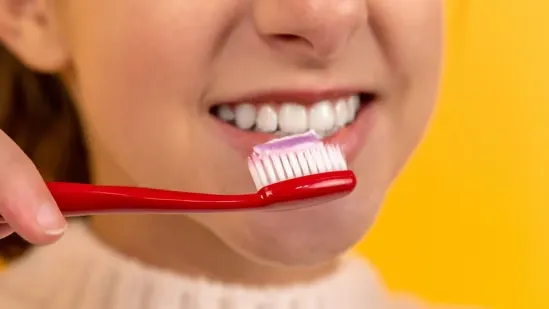
Most people think brushing their teeth is only about preventing cavities or dealing with bad breath, but the truth runs much deeper. Using an old toothbrush or sharing one with someone can expose your body to harmful bacteria, increasing the risk of major health issues. Dentists warn that something as routine as brushing can influence not just oral hygiene but the health of the heart and blood sugar management as well.
To understand the deeper link between oral care and overall wellness, HT Lifestyle spoke with Lt. Gen. (Retd.) Dr Vimal Arora, Chief Clinical Officer at Clove Dental. He explained that a toothbrush acts as a frontline protector, stopping dangerous bacteria in the mouth from spreading throughout the body. When brushing is ignored or done with a worn-out brush, bacteria thrive and multiply, leading to sticky plaque buildup along the gums. This buildup triggers inflammation, which does not always stay confined to the mouth.
Dr Arora highlighted how bacteria and inflammatory agents can enter the bloodstream and travel to organs such as the heart, liver and pancreas, causing long-term damage. The mouth hosts nearly 700 different bacterial species. When brushing habits are poor, the immune system struggles to control these microbes, allowing infections to spread and worsen unnoticed.
A major concern is the strong two-way connection between oral infections and diabetes. High blood sugar levels weaken the body’s defence against gum disease. In turn, infected gums interfere with the body’s ability to regulate sugar properly. This creates a cycle where poor dental care makes diabetes harder to manage, and uncontrolled diabetes worsens gum health. As Dr Arora explained, managing oral hygiene helps break this damaging loop.
Heart complications are another worrying consequence. Persistent gum inflammation can cause arteries to harden and narrow, a condition known as atherosclerosis. Over time, the constant stress from oral bacteria forces the heart to work harder, increasing the likelihood of heart disease. Research shows that individuals with untreated gum problems are nearly twice as likely to develop cardiovascular complications as those with healthy gums.
To protect yourself, adopting a disciplined oral care routine is essential. Dentists advise brushing twice daily with proper technique, flossing regularly, maintaining a nutritious diet, scheduling dental check-ups and reducing sugary foods and tobacco use.
One of the most important yet overlooked rules is toothbrush replacement. According to Dr Arora, a toothbrush should be changed every three months. Old bristles become rough and ineffective, failing to clean tight spaces where bacteria hide. They also collect germs that can further worsen infections if used for too long.
Taking care of your toothbrush is a small habit that plays a big role in keeping your entire body healthier. Protecting your gums may also mean protecting your heart and blood sugar balance.
(Note: This article is meant for general information only. It should not replace professional diagnosis or medical guidance. Consult a healthcare expert for personal advice.