


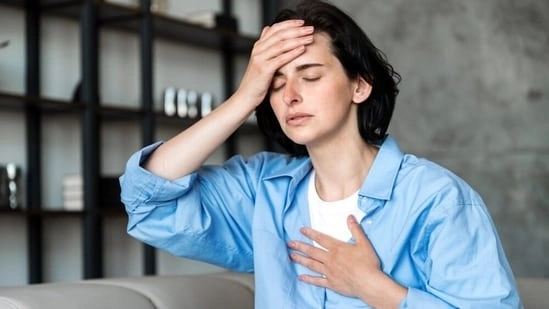
Feeling short of breath during everyday activities such as climbing stairs or doing light physical work is something many people experience. However studies and clinical observations suggest that women report breathlessness more frequently than men. Medical experts say several biological and lifestyle factors may explain this difference.
According to Dr Nandhini Elumalai, a senior consultant in obstetrics and gynecology at SRM Prime Hospital, breathlessness often occurs when the body struggles to get enough oxygen or when breathing requires additional effort. While it can occasionally happen due to physical exertion or stress it should not always be ignored.
Doctors note that a woman climbing stairs or performing mild physical activity may feel short of breath more quickly than a man doing the same activity. This difference is linked to several physiological and environmental factors.
Five reasons women may experience breathlessness more often
1. High rates of anaemia
A major reason is Anemia, which affects a large percentage of women in India. Anaemia reduces the amount of oxygen carried in the blood leading to fatigue weakness and breathlessness even during simple tasks.
2. Smaller lung capacity
Women typically have smaller lungs compared with men. Because of this their lungs may use a larger percentage of their breathing capacity during physical activity which can lead to a feeling of breathlessness sooner.
3. Hormonal changes
Hormonal fluctuations involving estrogen and progesterone during menstruation pregnancy or menopause can temporarily influence breathing patterns. These changes may increase oxygen demand in the body and affect how breathing feels during certain phases.
4. Stress and anxiety
Mental health factors also play a role. Higher stress levels can lead to rapid or shallow breathing which may trigger a sensation of breathlessness even when the body is not under heavy physical strain.
5. Environmental exposure
In many households women are exposed to smoke from cooking pollution cleaning chemicals and indoor air contaminants. These environmental irritants can affect the lungs and contribute to breathing difficulties.
Medical conditions linked with breathlessness
Doctors also warn that breathlessness may sometimes indicate underlying health conditions such as Asthma or Hypothyroidism. These conditions may worsen breathing problems if not diagnosed and treated early.
Symptoms that should not be ignored
While occasional breathlessness may occur after exercise or during stressful situations certain warning signs should prompt medical attention. These include persistent breathlessness unexplained fatigue dizziness rapid breathing chest tightness reduced exercise capacity and feeling breathless during mild activities.
Doctors recommend seeking medical advice immediately if breathlessness occurs together with chest pain as it may signal a serious health problem.
Prevention and management tips
Health experts suggest maintaining proper iron levels through a balanced diet staying physically active to improve lung capacity practicing relaxation methods such as yoga or breathing exercises and limiting exposure to pollution or smoke. Medical evaluation is also recommended if breathlessness becomes frequent severe or appears without a clear reason.
Although shortness of breath can occasionally affect anyone frequent or unexplained breathlessness especially in women may indicate nutritional deficiencies hormonal changes or other medical conditions. Paying attention to symptoms and seeking timely care can help prevent serious health complications.