


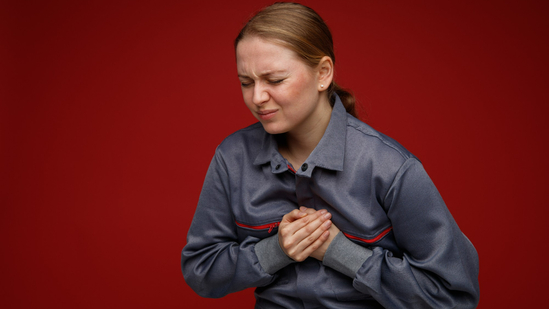
Heart disease is the top cause of death among women worldwide, yet its symptoms often go unnoticed or misinterpreted. Cardiologist Dr. Dmitry Yaranov recently shared eight crucial facts to help women better understand and protect themselves from heart-related conditions. Many women remain unaware of how different their symptoms can be from men’s, leading to misdiagnosis and delayed treatment.
1. Heart disease isn’t just a man’s condition. Despite widespread belief, it remains the number one killer of women globally. Awareness is the first step to prevention.
2. Women experience different symptoms. Instead of typical chest pain, many women feel unusual fatigue, nausea, dizziness, or shortness of breath during a heart attack. These subtle signs are often dismissed.
3. Women face higher fatality rates after heart attacks. Within a year of a heart attack, women are more likely than men to die due to underdiagnosed symptoms and lack of proper treatment.
4. Diagnosis is harder in women. The way plaque accumulates in female arteries differs from men, making standard diagnostic tests less effective.
5. Emotional and mental health play a bigger role. Anxiety, stress, and depression are stronger heart risk factors for women but are frequently left out of medical discussions.
6. Post-menopause risks rise. Estrogen’s protective effect fades after menopause, increasing blood pressure and cholesterol, and heightening heart attack chances.
7. Women often receive fewer life-saving interventions. From medications to CPR and surgical procedures, women statistically receive these less than men, despite equal need.
8. Prevention is possible and powerful. Regular health checks, heart-friendly habits, and listening to your body can significantly reduce the chances of heart disease and improve outcomes.
Heart health awareness among women is vital. Knowing these facts and acting early can be lifesaving. Always consult a healthcare professional for tailored advice.