


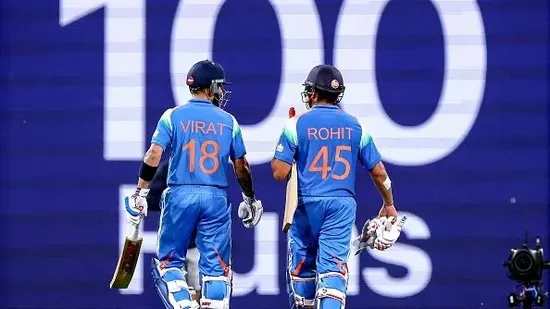
One Day Internationals are facing their toughest battle for relevance in modern cricket and even the star power of Virat Kohli and Rohit Sharma may not be enough to reverse the trend for much longer. With the explosive rise of T20 leagues across the globe and fans increasingly drawn to shorter faster formats the 50 over game is slowly losing its grip on audiences broadcasters and players alike.
The upcoming ICC Cricket World Cup in 2027 is now widely being seen as the last major global event capable of drawing mass crowds and renewed attention to ODIs. While Kohli and Rohit have shown outstanding form in the format in recent times their presence alone cannot mask the structural challenges facing one day cricket. Bilateral ODI series often lack context intensity and urgency leading to empty stands and declining television viewership especially when India is not involved.
Cricket’s evolution has been driven by entertainment value and time efficiency. T20 cricket born as an experiment has transformed into the sport’s most powerful commercial engine. Its three and a half hour format packed with boundaries drama and instant results fits perfectly with modern lifestyles. In contrast ODIs demand nearly eight hours of commitment and often unfold in predictable phases that struggle to keep casual fans engaged.
Unlike ODIs Test cricket has managed to preserve its identity by offering depth resilience and tactical complexity. The five day format still provides space for comebacks momentum shifts and mental battles that no shorter version can replicate. Ironically both Kohli and Rohit have been vocal supporters of Test cricket while simultaneously being the biggest crowd pullers in ODIs highlighting the contradiction facing the sport.
Former players and experts including Ravichandran Ashwin have openly questioned the long term survival of the 50 over game. Ashwin believes the format is moving toward a slow decline with the 2027 World Cup potentially marking the beginning of the end. While the World Cup itself remains a spectacle capable of uniting fans worldwide the concern is whether a once in four years tournament can continue to sustain an otherwise struggling format.
Frequent rule changes aimed at favoring batters have further tilted the balance making ODIs resemble extended T20 matches without the urgency. With high scoring games becoming the norm and bowlers increasingly marginalized the unique charm of the format has faded. Broadcasters who once relied on ODIs for advertising revenue are also shifting focus as digital platforms and franchise leagues dominate viewership metrics.
As cricket continues to reinvent itself the future of ODIs hangs in the balance. The 2027 World Cup may serve as a nostalgic farewell rather than a revival unless administrators find a compelling reason for fans players and sponsors to believe in the format again.